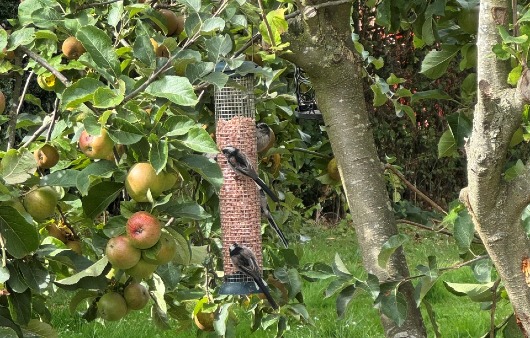
As summer fades, wild birds face changing conditions and increasing demands on their energy reserves. Autumn sees many species moulting, resident birds preparing for colder weather and migrants stopping to refuel.
“Autumn is a season of preparation,” says Sarah Kitson, Head of Marketing at Honeyfields. “Supplementary feeding can help wild birds build the condition they need to survive winter, while giving retailers an opportunity to engage customers with the importance of year-round bird care.”
Fuel for winter
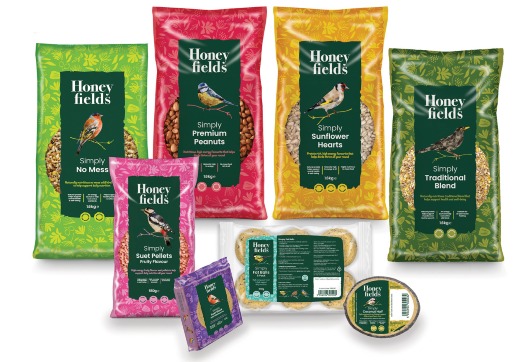
Honeyfields recommends energy-dense foods as feeding activity increases, including:
- Sunflower hearts – packed with oils and calories, and easy for birds to eat with minimal mess.
- Peanuts – a source of protein and healthy fats, provided in a suitable peanut feeder or kibbled appropriately.
- Suet – high in fat and ideal for providing energy as temperatures fall. Blocks, pellets and fat balls attract a wide variety of garden birds.
- Quality seed blends – offering variety to appeal to different species.
Feed little and often
Birds need to make the most of every opportunity to find food, to build energy reserves to see them through colder periods. As a result, retailers may have customers reporting that feeders are emptying considerably faster than they did during summer. Regularly checking and replenishing feeders helps ensure food remains available when birds need it.
For retailers, this provides an opportunity to reinforce the value of maintaining a regular feeding routine and of choosing convenient, reliable feeding solutions.
Hygiene matters
Good feeding is about more than nutrition. Clean feeding stations and fresh water are essential to maintaining a healthy environment, particularly where large numbers of birds gather.
Honeyfields recommends removing wet or uneaten food regularly, cleaning feeders and water vessels at least weekly, providing fresh water daily and positioning feeders apart to help reduce overcrowding.
“At Honeyfields, we believe successful bird feeding is about more than simply putting food outside. It is about providing the right nutrition, consistently and responsibly, while maintaining a clean, hygienic environment in which wild birds can thrive.”
“Birds that enter winter in good condition are better placed to face the challenges of the colder months and emerge into spring ready to establish territories, nest and raise the next generation,” says Sarah.
For pet retailers, autumn is the perfect time to turn customers’ interest in garden wildlife into practical action – with the right products and simple advice helping to establish responsible feeding habits all year round.
To find out more, contact your Regional Sales Manager or call 0845 257 0232.