Gardening in the UK has always meant working with changeable weather, but the challenge is no longer limited to a late frost or a wet weekend. Longer dry spells, extreme heat, and wetter winters are placing greater pressure on gardens planned around a familiar seasonal rhythm.
The Met Office has projected that the UK is set for hotter, drier summers and warmer, wetter winters. For gardeners, the effects are already visible. Hanging baskets and pots can wilt within hours, shallow-rooted bedding plants struggle in baked soil, and plants that survive the summer may then face waterlogged ground over winter.
Experts at Haskins Garden Centres believe that the response needs to go beyond emergency watering or replacing individual plants. Gardeners should reconsider how they plan and use their outdoor spaces, taking account of their garden’s microclimate and the changing demands placed upon it.
From seasonal to weather-responsive gardening
Alasdair Urquhart, Haskins’ in-house plant expert, said: “The traditional gardening calendar is becoming less reliable. Plants are flowering earlier, prolonged dry spells are placing greater pressure on gardens, and periods of heavy rain can follow soon afterwards.
“We need to respond to the conditions in front of us rather than assuming the same seasonal advice will work every year. A plant that thrives during a hot summer may still struggle in a cold, waterlogged border over winter, so there is no single range that will solve every problem.
“Before buying anything new, look at where the sun falls, where shade remains, how the soil behaves after rain, and how much time you can realistically spend watering. The right approach will depend on your garden and how you want to use it.”
Xeriscaping for hot, sunny gardens
For people with sunny, free-draining gardens who enjoy spending time outside in the heat, xeriscaping could offer a practical solution. Also known as water-wise landscaping, the approach combines drought-tolerant planting with careful soil preparation and more efficient water use.
Alasdair continued: “Xeriscaping does not mean covering the whole garden in gravel or trying to recreate a desert. A dry garden can still provide colour, texture, fragrance, and plenty of value for pollinators.
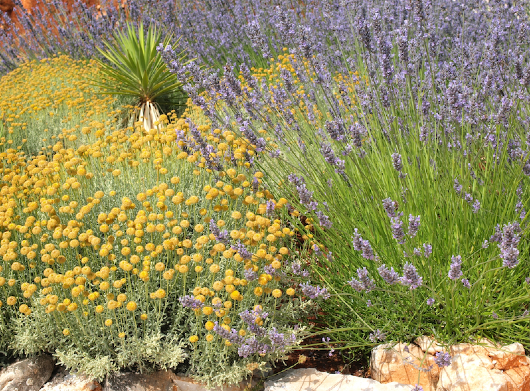
“Lavender, salvias, nepeta, sedum, cistus, Mexican fleabane, and ornamental grasses can all work well in a sunny, well-drained border. Once established, these plants need less frequent watering than many traditional bedding varieties.
“Planting into borders will also give roots more room to develop than keeping plants in containers. Pots and hanging baskets heat up and lose water quickly, so they require much more attention during extreme heat.”
Creating shade
A dry garden does not suit every household, particularly for people aiming to create relaxing areas as drought-tolerant plants don’t offer much shade. For many people living in built-up areas, the priority is often creating a cooler, shaded space that offers relief from the heat, so dry gardens are less suitable.
Alasdair said: “If a courtyard or patio becomes uncomfortably hot, shade may be more valuable than a drought-tolerant garden. Maintaining an established tree, planting a suitable smaller tree or large shrub, or training climbers over a pergola can make the garden much more comfortable.
“Shade also protects the soil and slows moisture loss, creating better conditions for plants underneath. Gardeners should think carefully before removing established trees simply to bring more light into a space, as the cooling effect they provide may become increasingly important.”
Protect now and plan for autumn
During very hot weather, Alasdair recommends protecting existing plants rather than beginning major garden projects.
“Water slowly and thoroughly in the early morning, directing the water towards the roots. By prioritising new plants, pots, and hanging baskets, you’ll find that established trees, shrubs, and perennials in borders cope for longer.
“Move containers away from strong afternoon sun where possible and group them together to slow moisture loss. During periods of extreme heat, apply mulch after watering to help retain moisture, but avoid digging new borders or moving established plants until temperatures fall.
“A brown lawn may look concerning, but established grass will normally recover once rain returns. Keeping it green should not take priority over caring for young or vulnerable plants.”
Autumn offers gardeners an opportunity to make longer-term changes. Plant hardy perennials, shrubs, and suitable trees while the soil remains warm so they can establish their roots before the following summer.
Alasdair concluded: “Some gardeners will benefit from a drought-tolerant gravel garden, while others need a cooler, greener space built around shade. Many will need a combination of both.
“The important change is to stop gardening purely by the season and start responding to the garden in front of you. Planning for your own conditions will give plants a better chance and create an outdoor space that remains enjoyable as our weather changes.”