A pioneering new tool to promote damaged peat bogs being restored using the most sustainable methods across the UK has been created by Dalefoot Composts’ parent company, Barker & Bland Ltd.
Developed for the IUCN UK Peatland Programme*, this innovative digital tool calculates the carbon cost of different approaches to restoring damaged blanket and lowland raised bogs. It is an ‘add-on’ to the internationally recognised Peatland Code and has been developed in collaboration with the University of Cumbria, with funding from UK Research and Innovation.
Peatlands are the UK’s largest terrestrial carbon store, capable of holding up to 20 times more carbon than trees when healthy. However, extensive damage from peat harvesting—including for horticulture—has led to the release of carbon into the atmosphere instead of its natural storage.
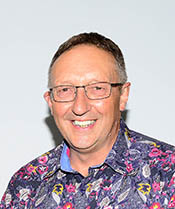
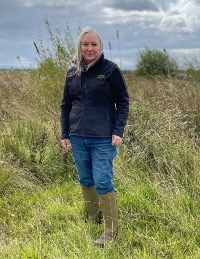 Professor Jane Barker, who heads Dalefoot Composts, and Barker & Bland—one of the UK’s leading peatland restoration specialists—has been working with the University of Cumbria to develop the new tool, alongside one of her team’s three PhD students. It calculates the greenhouse gases emitted during peatland restoration projects, considering machinery, materials, and restoration techniques.
“This brand-new addition to the Peatland Code provides the industry with a formal way to measure the impact of restoration efforts, marking a significant step forward in our collective fight against climate change,” said Professor Barker. The tool is currently being rolled out by the IUCN UK PP, with plans underway to expand its use to include restoration statistics for lowland fens.
“As a ‘climate friendly’ business committed to sustainability, we continue to innovate and push to improve all our practices, including our peatland restoration work,” she said. “Natural fertilisers are the potent ingredients of our growing media range, harvested from across Dalefoot farm and the Lake District Fells. All our compost nutrients are organic and help gardeners move away from inorganic, heavily oil-based fertilisers used in many high street composts. This means our supply chain is much more ‘regenerative’ as well as our farming practices here at Dalefoot.”
Restoring peatlands for biodiversity at RSPB Scotland Airds Moss
Professor Barker and her team are also actively restoring part of the RSPB Scotland Airds Moss nature reserve in East Ayrshire—an internationally important habitat for endangered bird species such as curlew and lapwing, both of which are red-listed due to significant population declines.
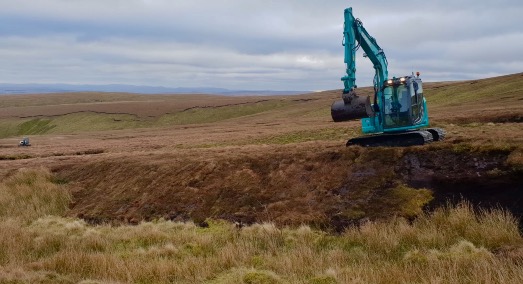
Working across 43 hectares, the team is restoring damaged drains, peat hags, and eroding gullies to reinstate a thriving blanket bog. Their efforts will create a mosaic of healthy wetland habitats, supporting vital bird and plant species.
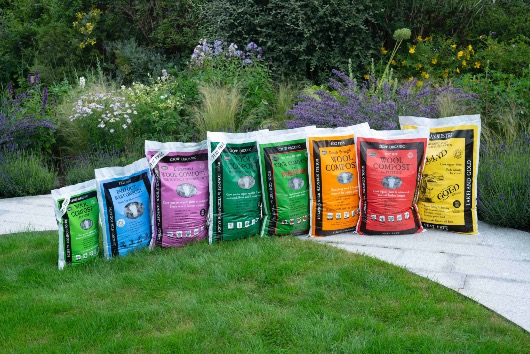
The Dalefoot Composts sustainable gardening range
Dalefoot Composts is renowned for its high-quality, peat-free composts made from sheep’s wool, bracken, and comfrey—an innovative mix that provides slow-release nutrition for plants, reducing the need for feeding and watering. Comfrey, a carbon capture crop, is grown on a commercial scale at Dalefoot Farm in the Lake District and harvested up to four times a year. The company also sources bracken from Cumbria supporting diverse farming communities and local landscapes.
Dalefoot’s entire range, including composts for potting, bulbs, seeds, vegetables, tomatoes, clay-busting, and a double-strength blend, is certified organic by the Soil Association.
For more information on Dalefoot Composts’ pioneering work in peatland restoration and sustainable gardening, visit www.dalefootcomposts.co.uk.