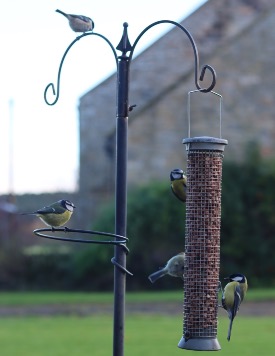
 Honeyfields is reminding wild bird fans that good hygiene should be an essential part of any responsible feeding routine, helping to create a safer and healthier environment for garden birds.
With feeders, tables and water vessels often used by multiple birds throughout the day, these shared surfaces can quickly become contaminated with saliva, discarded food and droppings. Regular cleaning can play an important role in helping to reduce the potential spread of infectious diseases.
“Most bird lovers know feeders should be cleaned but very few do it often enough,” says Sarah Kitson, Head of Marketing at Honeyfields. “Research suggests fewer than 2% of people follow best-practice cleaning advice. That leaves a big gap in bird health protection. This is why we are encouraging retailers to help their customers put good hygiene at the heart of their wild bird feeding.”
Birds gather closely at feeders, tables and water vessels making it easy for diseases to spread from bird to bird rapidly, this can include infections like salmonella, conjunctivitis, and trichomonosis, through contaminated food and surfaces.
In addition, wet or old seed can grow mould that produces toxins dangerous to birds. Dirty feeders can also attract rodents, insects, and other wildlife susceptible to these diseases.
Honeyfields’ top tips for retailers to share with their customers include:
- Try and feed regularly all year round as birds will come to rely on the food you put out.
- Choose a quality food specially formulated to help support health and well-being of wild birds.
- Consider a variety of feeds and feeding methods to help fulfil birds’ differing needs.
- Supplementary feeds should be fresh and in suitable quantities (ideally enough for 24 hrs) to help prevent waste.
- Space feeders apart to help minimise crowding and the spread of any infectious diseases.
- Regularly remove wet and uneaten food to help prevent mould and pests.
- Provide clean, fresh water for drinking and bathing, changing daily to help keep hygienic.
- Wash feeders, tables and water vessels at least weekly; Scrub with hot soapy water Disinfect with a 1:9 bleach-to-water solution and then rinse thoroughly and allow to dry before refilling.
“Think of a feeder as a shared dinner plate or water vessel as a shared drinking glass - lots of birds may be using the same surfaces, so regular cleaning is an important part of responsible feeding,” says Sarah.
“We hope retailers can help to reinforce our simple hygiene messages to their customers, ensuring that enjoying garden birds goes hand in hand with feeding them safely and responsibly.”
By making “clean, then fill” part of the everyday routine, bird lovers can take a simple but important step towards supporting the health and wellbeing of the birds they enjoy.
To find out more contact your Regional Sales Manager or call us on 0845 257 0232.