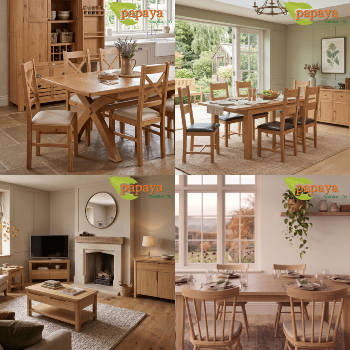
For garden centres, the boundaries between outdoor living, home, gifting and lifestyle have become increasingly blurred. Customers are not necessarily shopping in neat categories anymore; they are looking for products that fit the way they want their homes and spaces to feel. For Papaya Trading, that creates an interesting opportunity for oak furniture. As garden centres continue to develop their home and lifestyle offer, we believe oak represents a category with considerable potential.
Oak is a category customers already understand. It is familiar, dependable and versatile enough to sit comfortably across a wide range of interiors. But familiarity does not have to mean predictable.
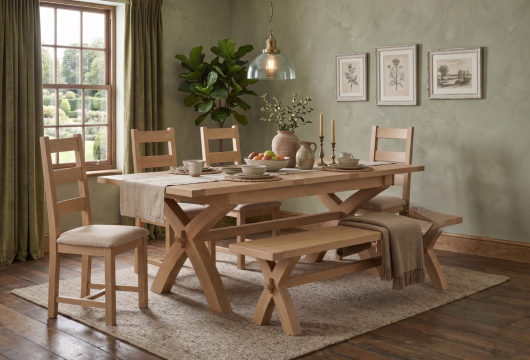
Our approach is to take those qualities and build furniture collections around what works commercially for retailers today: considered designs, usable proportions, coordinated pieces and enough variety to create choice without making the range unnecessarily complicated.
It means looking beyond simply producing another dining table, sideboard or occasional piece and considering the role each product plays when it reaches the shop floor.
Some pieces need to create impact. Others need to be dependable everyday sellers. Some earn their place through storage or practicality, while smaller complementary products can give customers an easy way into a collection and encourage additional purchases.
Together, those products should form a range that feels coherent rather than crowded.
For garden centres in particular, that matters.
Floor space is rarely static. Departments expand and contract throughout the year, seasonal areas change and retailers continually reassess how different parts of the store can work harder. Indoor furniture therefore needs to be flexible enough to work within that environment rather than demanding an entirely new retail model around it.
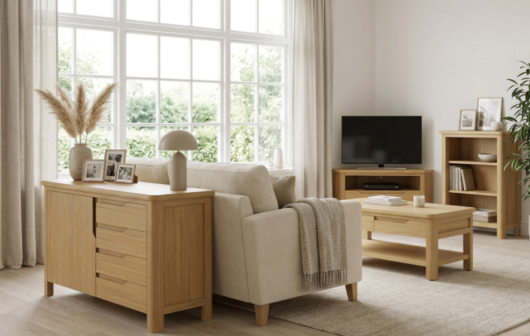
A carefully selected dining group, sideboard or occasional furniture display can introduce an oak collection without requiring every item in the range to be physically represented.
The wider story can then be carried through imagery, product information and knowledgeable sales teams, allowing retailers to build a meaningful furniture offer around the space and customer they already have.
It is a different way of thinking about furniture retail: the showroom becomes a window into the collection rather than a catalogue of everything available.
That principle sits behind the way we develop our oak furniture at Papaya Trading.
We want our collections to give retailers options. Pieces can work individually, together as a coordinated range, or as part of a smaller edited display. Retailers can choose what feels right for their customer, their available floor space and the type of furniture business they want to build.
Clear differences between products make ranges easier for sales teams to understand and easier for customers to navigate. Rather than asking shoppers to choose between numerous versions of essentially the same piece, the aim is to give each product a reason to be there.
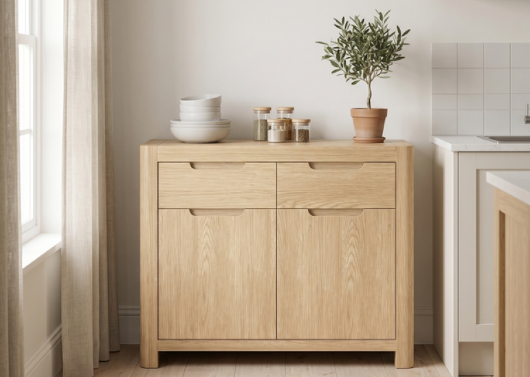
For us, that is where a strong oak collection begins.
Not with how many products can be added to a range, but with how well those products work together on the shop floor, in the customer’s home and, importantly, for the retailer selling them.
The opportunity is to approach it with the same thought already applied so successfully elsewhere in the store: choose well, merchandise confidently and make every piece earn its space.
For more information visit https://papaya.furniture/