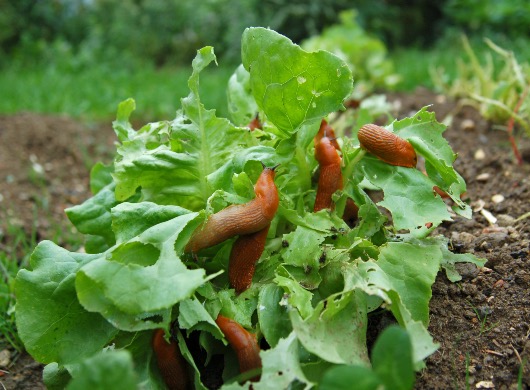
Gardeners across the UK are being urged to stay vigilant as a combination of a mild winter and a wet start to summer creates ideal conditions for slugs to thrive.
According to garden care experts at Doff, one of the UK's leading suppliers of slug control and repellent solutions, the recent weather patterns have created the perfect environment for increased slug activity, putting vulnerable flowers, vegetables and young plants at risk.
Research from the Agriculture and Horticulture Development Board (AHDB) states that slugs grow and reproduce more rapidly when conditions are moist, with activity heavily influenced by temperature and moisture levels.
The warning followed a winter that saw relatively limited periods of prolonged frost across much of the UK. While slug populations naturally fluctuate from year to year, a lack of extended cold weather is widely recognised as beneficial to slug survival.
The Royal Horticultural Society (RHS) describes slugs and snails as being well suited to the UK's damp, mild climate and advises that these moist conditions provide ideal opportunities for feeding and movement.
Tom Clamp – Head of Technical at Doff said: "While no one can predict exact slug numbers, the conditions we've seen so far this year are highly favourable for slug activity. Slugs thrive in damp environments and a mild winter followed by wet weather means gardeners should be prepared for increased pressure on vulnerable plants.
"Young seedlings, leafy vegetables and soft-stemmed ornamentals are particularly susceptible to damage. Once slugs become established, they can quickly undo weeks of hard work in the garden, so early prevention is key."
In 2024, the RHS described conditions as creating one of the most severe periods of slug activity in recent memory, driven by a mild winter and persistently damp spring and summer weather.
Doff is encouraging gardeners to inspect plants regularly, remove potential slug hiding places and take preventative action before populations become established.