A rare plant, Tubular Water Dropwort, has been discovered at Rye Meads Nature Reserve, near Hoddesdon, despite being threatened with extinction nationally.
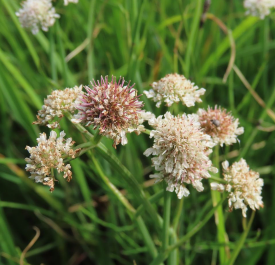
Tubular Water Dropwort, a member of the carrot family, is a rare and protected plant found near water bodies including wetlands and wet meadows.
Listed as species of principle importance in England in The Natural Environment and Rural Communities Act 2006 and classified as vulnerable on the GB Red List for plants, Tubular Water Dropwort is threatened with extinction following dramatic declines since the 1950s.
Once common, the white and pink flowered plant has suffered declines due to wetland drainage, loss of grazing, changes in land use practices and agricultural runoff, which can lead to high nutrient levels in watercourses.
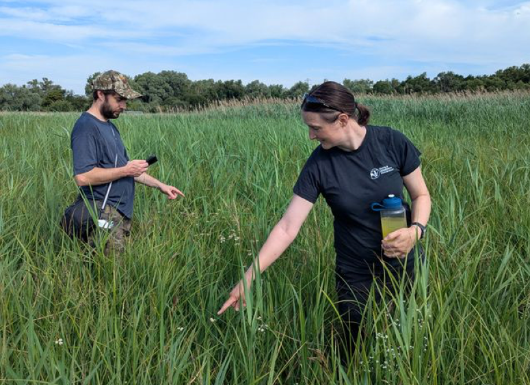
Last recorded at Rye Meads nature reserve in 2018, the team at Herts and Middlesex Wildlife Trust were delighted to find 130 Tubular Water Dropwort plants across the large ancient flood meadow; a habitat which also supports a vast range of fauna and flora including cuckooflowers, reed warblers and otters.
Ian Carle, nature reserves manager at Herts and Middlesex Wildlife Trust said: “Tubular Water Dropwort is a perennial, lowland plant which grows in areas of wetland and appears most frequently in ancient habitats, such as traditionally managed meadows like the one at Rye Meads. Although it had not been recorded at the nature reserve for the past seven years, we looked for it amongst the dense vegetation of the wetland meadow that we managed to get cut last year. We were rewarded with finding around 130 plants, which is an incredible find, given its rarity.
“When these plants are in flower, they are easier to identify and to count, which is why we look for them at this time of year. The flowers are quite distinctive with rounded, white and pink heads.”
 The special plant can also be found at other Wildlife Trust nature reserves, including Clattinger Meadow in Wiltshire and Upper Ray Meadows in Buckinghamshire. With 130 plants recorded at the Hertfordshire nature reserve, Rye Meads is now home to another significant population, despite the plant’s vulnerability.
The discovery comes as nature is responding to one of the hottest and driest Junes in the UK on record. The prolonged period of high temperatures and limited rainfall is causing concern for conservationists, impacting much loved wildlife as their habitats dry up. Drought, according to research by The Wildlife Trusts, is also the number one threat to nature reserves, with other climate-driven dangers such as heatwaves and wildfires also being a concern.
Despite this weather having potential impacts on wildlife such as swifts, frogs and invertebrates, other species may have benefitted from the heavy early spring rainfall beforehand, including the Tubular Water Dropwort.
Ian continues: “Cutting the meadow at Rye Meads last year has opened up the vegetation, benefiting species such as the Water Dropwort. This, together with the fluctuating water levels we’ve seen this year, with lots of rain in the early spring and then a pro-longed period of dry weather, may also have had an impact, providing ideal conditions for the plant.”
Efforts at nature reserves across the country to manage conditions amidst the dry spell are continuing, including careful monitoring of water levels for a variety of wildlife. Maintaining the right water levels is crucial for wading birds for example, which require the right conditions to feed and breed, as well as amphibians and insects.