With the UK’s wild bird fledging season now underway, retailers have a timely opportunity to help customers support the next generation of garden birds. Young birds leaving the nest have very specific nutritional needs, creating demand for the right types of supplementary feed.
To help retailers make the most of this period, Honeyfields resident wild bird expert Simon Smethurst has shared practical advice retailers can pass on to customers looking to make their gardens more fledgling-friendly.
“Fledglings are young birds that have left the nest but still rely on their parents for food,” says Simon. The most common garden birds usually time their nest building and egg laying to the start of April, after the risk of frosts and to coincide with the mass emergence of caterpillars as a natural food source. Small caterpillars have lower levels of tannins and are more palatable.
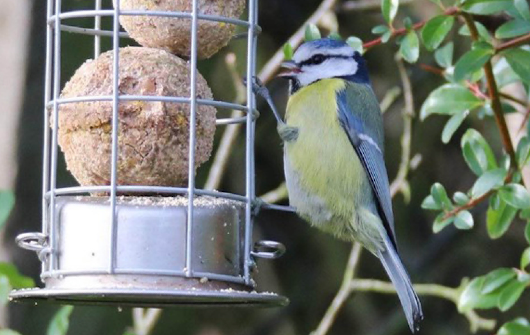
“A diet rich in protein and fats is needed to support rapid growth, feather development and the increased activity that comes with learning to fly and forage. Suet and insect-based feeds naturally replicate the type of feeds that parent birds are looking to feed their young in terms of nutritional value.
“Feeding fledglings is a delicate yet rewarding task. For retailers, it’s also a great opportunity to start conversations with customers about the best ways to support young birds and create wildlife-friendly gardens.”
Retailer talking points to share with customers
Simon recommends the following golden rules for retailers to communicate in store and online:
In the wild, parent birds feed fledgling’s insects, larvae and other protein-rich foods. Supplementary feeding can help when natural food sources are limited. Such as:
- Suet blocks and pellets provide an excellent energy boost. Made from fat and enriched with seeds, fruits and insects, they can help deliver the concentrated nutrition fledglings need to help support growth and warmth.
- Mealworms are a highly attractive, protein-rich option that closely mimics the insects young birds naturally eat.
“Your customers like feeding the birds to connect with nature and enjoy their beauty and song,” says Simon. “Although these birds are not pets, your customers need to feed them responsibly to help support their overall health and well-being.”
Below are some key health and hygiene points to help your customers feed wild birds responsibly and support their overall health and hygiene:
- Place food in easily accessible feeders near sheltered areas where fledglings can feed safely.
- Space feeders apart to help minimise crowding and the spread of any infectious diseases.
- Only put out as much feed as will be eaten in 24 hours.
- Clear any discarded food from underneath feeders.
- Regularly remove wet and uneaten food to help prevent mould and pests.
- Clean feeders weekly with a bird safe disinfectant
- Provide a consistent supply of fresh water for drinking and replace it daily.
- Remind customers that cats pose a risk to fledglings and nests, so keeping cats indoors where possible during this period can help protect young birds.
“By understanding the nutritional needs of fledgling birds, and how to feed responsibly, retailers can help customers play a vital role in supporting young birds as they transition to independence,” Simon adds.
Honeyfields suet blocks and suet pellets are premium, energy-rich feeds designed to support wild birds during demanding periods such as nesting and fledging. Packed with essential nutrients and highly palatable ingredients, they provide long-lasting energy while attracting a wide range of species to the garden.
Honeyfields Mealworms can be rehydrated to make them soft and easily digestible for fledglings. The process involves soaking them in water to restore their plump, moist texture.
For retailers, the Honeyfields range offers competitive consumer pricing alongside strong margin structures and introductory stocking incentives, helping stores capitalise on seasonal demand while supporting local bird populations.
To find out more about the Honeyfield’s range visit: https://www.honeyfieldswildbird.co.uk/